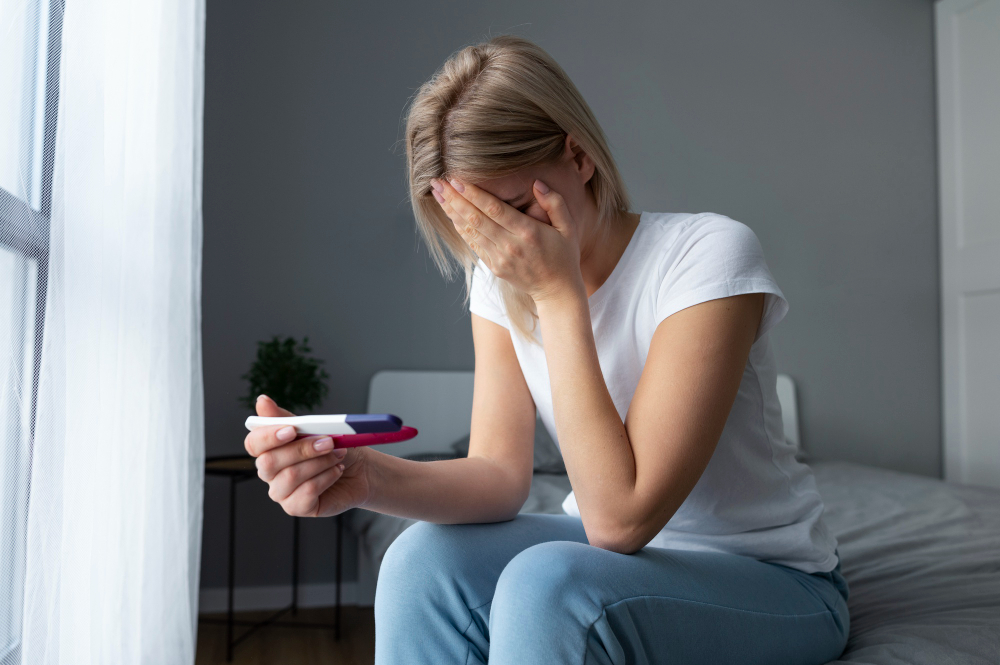
What is Female Infertility?
Female infertility means a woman has trouble getting pregnant after trying for a year or more. Sometimes, it can also mean having trouble carrying a pregnancy to term. Because female infertility is common, many women seek help. According to the World Health Organization (WHO), about 1 in 6 people face infertility at some point. Early understanding can help you find the right support.
Common Causes of Female Infertility
Many factors can lead to female infertility. However, some causes are more common than others. Knowing these can help you talk to your doctor.
Ovulation problems: Sometimes, eggs do not release from the ovaries.
Blocked fallopian tubes: Tubes may be blocked by infection, surgery, or endometriosis.
Hormone imbalances: Hormones control the menstrual cycle and ovulation.
Polycystic ovary syndrome (PCOS): This condition affects hormone levels and ovulation.
Endometriosis: Tissue grows outside the uterus and can block tubes.
Age: Fertility drops as women get older, especially after age 35.
Uterine or cervical issues: Problems with the uterus or cervix can stop pregnancy.
Lifestyle factors: Smoking, being overweight, or underweight can affect fertility.
Symptoms and When to Seek Help
Often, female infertility has no clear symptoms. Still, some signs may suggest a problem. If you notice any of these, consider seeing a doctor.
Irregular or missed periods
Painful periods or pelvic pain
No periods at all
Unexplained weight gain or hair growth (may suggest PCOS)
Trying to get pregnant for over a year without success
For women over 35, it is wise to seek help after six months of trying. Early support can make a difference.
Diagnosis of Female Infertility
Doctors use several tests to find the cause of female infertility. Each test helps answer the question: “How is female infertility diagnosed?” Your doctor will ask about your health and menstrual cycle. Next, they may suggest:
Blood tests: These check hormone levels.
Ultrasound: This shows the ovaries and uterus.
Hysterosalpingography (HSG): This X-ray checks if fallopian tubes are open.
Laparoscopy: A small camera looks inside the pelvis for problems like endometriosis.
Sometimes, more than one test is needed. Your doctor will guide you through each step.
Treatment Options for Female Infertility
There are many female infertility treatment options. The right choice depends on the cause. Your doctor will help you decide what is best.
Medications: These can help with ovulation problems.
Surgery: Doctors may remove blockages or treat endometriosis.
Intrauterine insemination (IUI): Sperm is placed directly into the uterus.
In vitro fertilization (IVF): Eggs are fertilized outside the body and placed in the uterus.
Hormone therapy: This can balance hormones and improve ovulation.
Sometimes, a mix of treatments works best. Overcoming female infertility often takes time and patience.
Lifestyle Tips and Prevention
While not all causes can be prevented, healthy habits may lower your risk. Here are some tips:
Maintain a healthy weight
Eat a balanced diet
Exercise regularly, but not too much
Avoid smoking and limit alcohol
Manage stress with relaxation techniques
See your doctor for regular check-ups
Making small changes can support your overall health and fertility.
Frequently Asked Questions
Can female infertility be cured? Some causes can be treated, while others may need ongoing care.
Is age a big factor? Yes, fertility drops with age, especially after 35.
How long should I try before seeking help? Most experts suggest seeing a doctor after one year, or six months if you are over 35.
Are treatments safe? Most treatments are safe, but your doctor will discuss any risks.
Can lifestyle changes help? Yes, healthy habits can improve your chances of pregnancy.
Conclusion and Next Steps
Female infertility can be stressful, but help is available. Many women find answers and support through medical care. If you have concerns, do not wait. Consult a healthcare specialist for personalized advice on female infertility.