
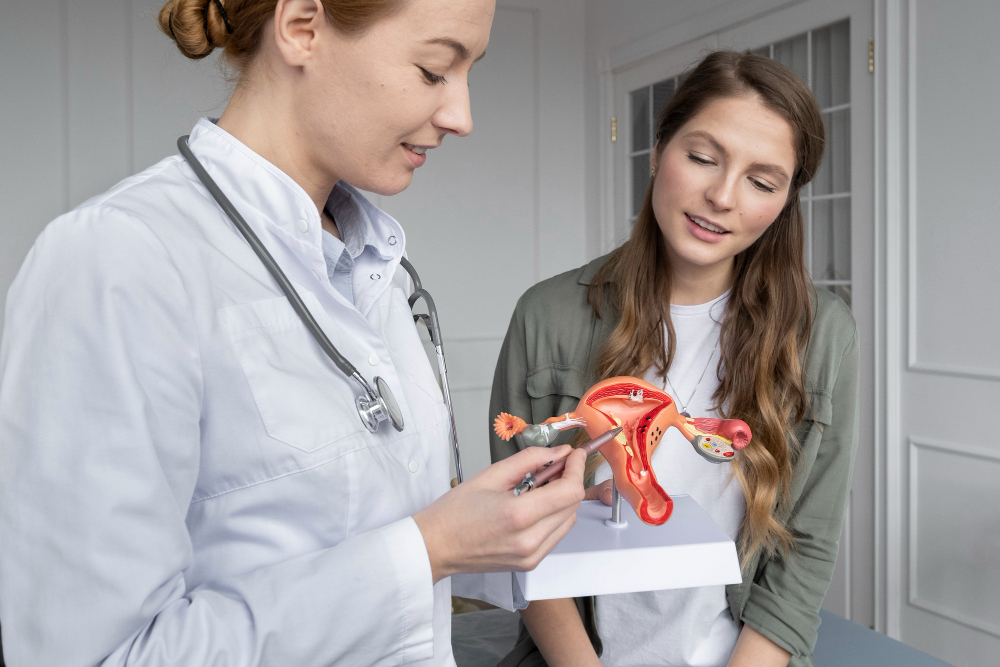
What Are Uterine Fibroids?
Uterine fibroids are non-cancerous growths that form in or on the uterus. Many women develop fibroids during their reproductive years. Although most fibroids are harmless, they can sometimes cause discomfort or other health problems. In fact, uterine fibroids are one of the most common reasons women visit a gynecologist. According to the CDC, up to 80% of women may have fibroids by age 50.
Common Symptoms
Not all women with uterine fibroids have symptoms. However, some may notice changes in their body. For example, you may experience:
Sometimes, fibroids can also cause pain during sex or trouble getting pregnant. If you notice any of these fibroid symptoms, it is important to talk to your doctor.
Causes and Risk Factors
Doctors do not know the exact causes of uterine fibroids. However, several factors may increase your risk. For instance, hormones like estrogen and progesterone seem to help fibroids grow. In addition, genetics may play a role. If your mother or sister had fibroids, you may be more likely to get them too.
Other risk factors include:
While these factors can raise your risk, anyone with a uterus can develop fibroids.
Diagnosis Methods
If you have symptoms of uterine fibroids, your doctor will ask about your health history. Next, they may perform a pelvic exam to check for changes in your uterus. Often, doctors use imaging tests to confirm the diagnosis. For example, they may order:
These tests help your doctor find the size, number, and location of fibroids. This information guides the best treatment for uterine fibroids.
Treatment Options
Treatment for uterine fibroids depends on your symptoms, age, and plans for pregnancy. Sometimes, no treatment is needed if fibroids are small and not causing problems. However, if you have bothersome symptoms, your doctor may suggest:
Each option has benefits and risks. Therefore, it is important to discuss these with your doctor. In some cities, you can find specialized uterine fibroids treatment centers for advanced care.
Lifestyle Tips and Prevention
While you cannot always prevent uterine fibroids, healthy habits may lower your risk. For example, you can:
These steps support your overall health and may help reduce the chances of developing fibroids. Even so, regular check-ups are important for early detection.
When to See a Doctor
If you notice heavy periods, pelvic pain, or other unusual symptoms, do not wait. Early diagnosis can help prevent complications. In addition, see your doctor if you have trouble getting pregnant or if your symptoms get worse. Prompt care can make a big difference in your quality of life.
For personalized advice on uterine fibroids, consult a gynecologist. They can help you find the best treatment and support for your needs.
